Dropping AI into a product without rethinking the workflow creates new problems. This engagement identifies where AI actually helps your users, where it creates risk, and how to handle trust and transparency before they become support tickets.
For teams integrating AI into products or workflows
A strategic review of how AI fits — or should fit — into your product and the workflows around it. We look at where AI genuinely reduces user effort or improves decisions, where it introduces overconfidence or confusion, and how your product should communicate what AI is doing and where it can be wrong.
Most AI product problems are not model problems. They are workflow problems. AI gets inserted at a point in the process where users needed something different. Or it produces output users cannot verify. Or it creates the appearance of certainty where the underlying data does not support it. These are design and strategy problems, and they need to be addressed before the product ships.
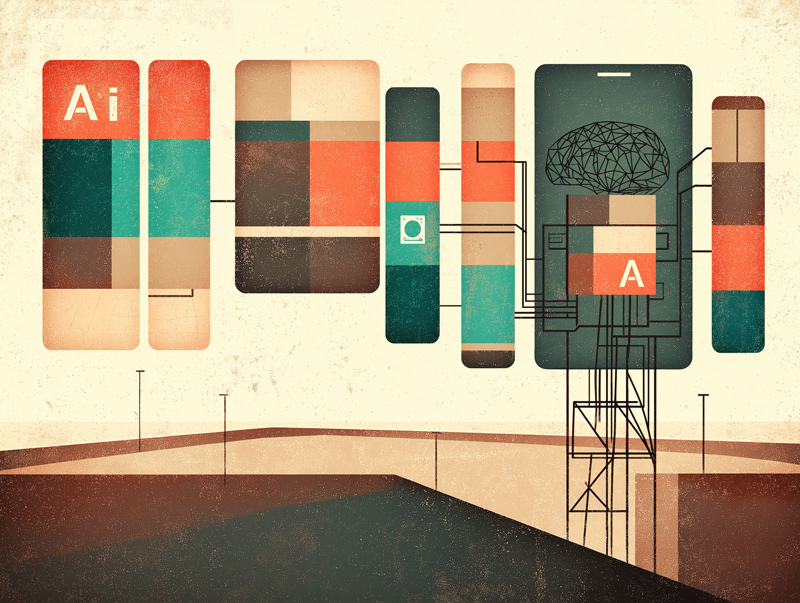
A healthcare SaaS company has integrated an AI model that flags documentation gaps in clinical notes before submission. The model is accurate. Adoption is near zero. Clinicians describe it as one more thing interrupting their workflow.
We would audit the full documentation workflow and map where the AI output appears, how it is framed, and what action it asks clinicians to take. In situations like this the problem is almost always trust and timing, not accuracy. A flag that appears after a note is nearly complete feels like criticism. Confidence language borrowed from billing compliance does not land with clinicians the same way it lands with administrators.
The engagement delivers a workflow redesign recommendation, a revised trust model with plain-language confidence framing, and a positioning brief for how to introduce the feature to clinical staff. The model does not need to change. The workflow around it does.
Fixed scope. No surprise hours. Work begins after agreement and scheduling.